The most useful city driving plan begins with where the car will stop. Brașov's historic centre is a place to explore on foot, while a rental becomes more useful for moving between accommodation and regional destinations. Decide when you need the vehicle and confirm a lawful place to leave it before arrival. Use the Brașov rental comparison for the booking, then treat parking, property access and the final walk as separate parts of the journey. This guide explains the checks to make without presenting an old tariff or map marker as a current permission.
Ask the accommodation for a vehicle arrival plan
A hotel address tells you where the property is, but may not identify the best vehicle entrance. Ask for the parking entrance, any barrier instructions and the recommended place to unload. If the accommodation is close to a pedestrian area, clarify how guests should arrive by car. Do not assume that a room reservation authorises driving along every nearby street or stopping outside reception.
Find out whether parking is reserved, subject to availability or merely located nearby. Those descriptions have different practical consequences. Ask about charges, overnight access and any height or size restriction relevant to the vehicle you intend to hire. If your arrival is late, confirm how you will enter the space and reach the property when reception arrangements differ from daytime operation.
Save the instructions offline and share them with the driver. A precise map pin can help, but it should accompany a written explanation rather than replace one. If the entrance is missed, continue safely and find a lawful way to return. Do not make an abrupt manoeuvre because navigation announces that the destination is immediately beside you.
Separate unloading from overnight parking
A place suitable for a brief agreed unloading stop is not automatically a space where the car can remain. Ask the property where you should move the vehicle afterwards and how long the unloading arrangement allows. Keep one adult with the practical arrival task where possible so that bags, keys and payment details are not scattered between the car and reception.
For an apartment stay, establish who can answer a parking question on arrival. An online description may have been written for ordinary conditions, while a temporary event or access change affects the actual day. Contact the host before travel if the instructions are unclear. A nearby empty space should not be treated as a substitute for a confirmed arrangement without reading its signs.
If the property has no suitable parking, compare authorised alternatives before choosing the rental period. It may be easier to spend the first central-city day without a car and collect one for the regional part of the trip. That decision can reduce both expense and the repeated effort of finding a lawful overnight place.
Read the signs at the actual parking space
Parking conditions can vary between streets, areas and operators. Look for the zone, charging period, payment method, maximum stay and any reservation or vehicle restriction. A payment made nearby yesterday does not establish the rule for this space today. Read the full sign rather than relying on the most prominent price or a remembered colour.
Distinguish visitor parking from residential or otherwise allocated spaces. The municipal parking portal includes administrative information about spaces and allocation; it should not be mistaken for a promise that every displayed location is available to visitors. A vacant marked space can still be restricted. When the status is unclear, find a clearly authorised alternative or consult the responsible operator.
Do not block an entrance, pavement, ramp or access route because the intended visit will be brief. Consider the space needed to open doors and unload safely as well as whether the vehicle physically fits. A small car can be easier to place, but size does not change the parking rules. The relevant question is whether the specific space permits your intended use.
Confirm that payment has succeeded
If payment uses an app, text message or other electronic method, check the registration number, zone and selected duration before confirming. Then check for a successful payment acknowledgement. Entering details or sending a message is not always the same as completing payment. Keep the confirmation until any relevant question about the parking period has been resolved.
The municipal e-Parking information describes electronic payment methods, but current availability and the accepted method at your chosen space need to be checked. A foreign mobile service or a roaming arrangement can introduce practical limitations. Do not leave the vehicle on the assumption that a failed message will eventually work. Use another accepted method or another lawful parking option.
For a rented vehicle, use the registration number of the car actually handed over, not the model you originally expected. Check carefully when a replacement vehicle is supplied. If the rental changes during the trip, update any relevant parking arrangement rather than assuming a saved vehicle profile now applies to the new car.
Treat the historic centre as the walking part of the trip
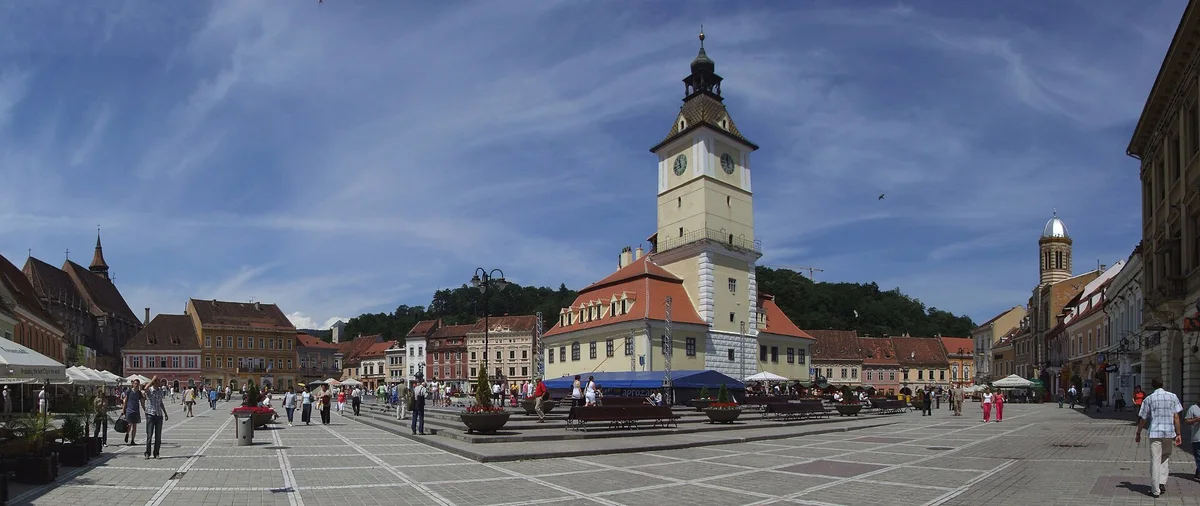
Plan to leave the car in an authorised location and walk between the central places you want to see. Piața Sfatului can be the focus of a visit without becoming the navigation destination for the vehicle. Choose a parking point and a pedestrian route that suit your group. This is especially helpful when travelling with someone who needs a shorter or less demanding walk.
A route application can suggest access that is inappropriate for a private visitor vehicle, particularly when a destination lies near pedestrian streets. Current signs and physical restrictions take precedence over the screen. If you are unsure, stop somewhere lawful and review the route. Do not follow another vehicle through a restricted entrance as evidence that your rental is also permitted.
Keep the return route to the car simple. Save the parking location, note any closing or access time, and agree a meeting point if the group separates. An enjoyable evening in the centre can become unnecessarily difficult when nobody remembers which entrance leads back to the parking area or who has the keys.
Use the right vehicle for the whole stay
A compact car may be convenient for parking, but check that it can carry the passengers and luggage without compromising comfort. A larger car may solve the luggage problem while making a tight accommodation entrance less convenient. Ask about the actual parking dimensions or limitations where they matter. Choose according to the combination of your accommodation and planned excursions.
Prioritise features that reduce the driver's workload. If an automatic transmission is important, confirm it in the offer. If you need a child seat, arrange it before collection. A vehicle photograph should not be treated as proof that every feature or exact model is guaranteed. Read any similar-vehicle wording and ask how essential requirements will be preserved.
Payment eligibility belongs in this decision too. The without-credit-card guide and deposit guide help you compare the financial conditions separately from the vehicle's size. A practical city car is only a suitable rental if the named driver can meet the collection requirements.
Prepare regional drives before leaving the parking place
Load the destination and review the route while stationary. Use the confirmed attraction parking point or accommodation entrance rather than a general place name. Check the expected road conditions, fuel needs and the driver's comfort with the journey. A saved offline map can help with connectivity, but it should not replace current traffic information or road signs.
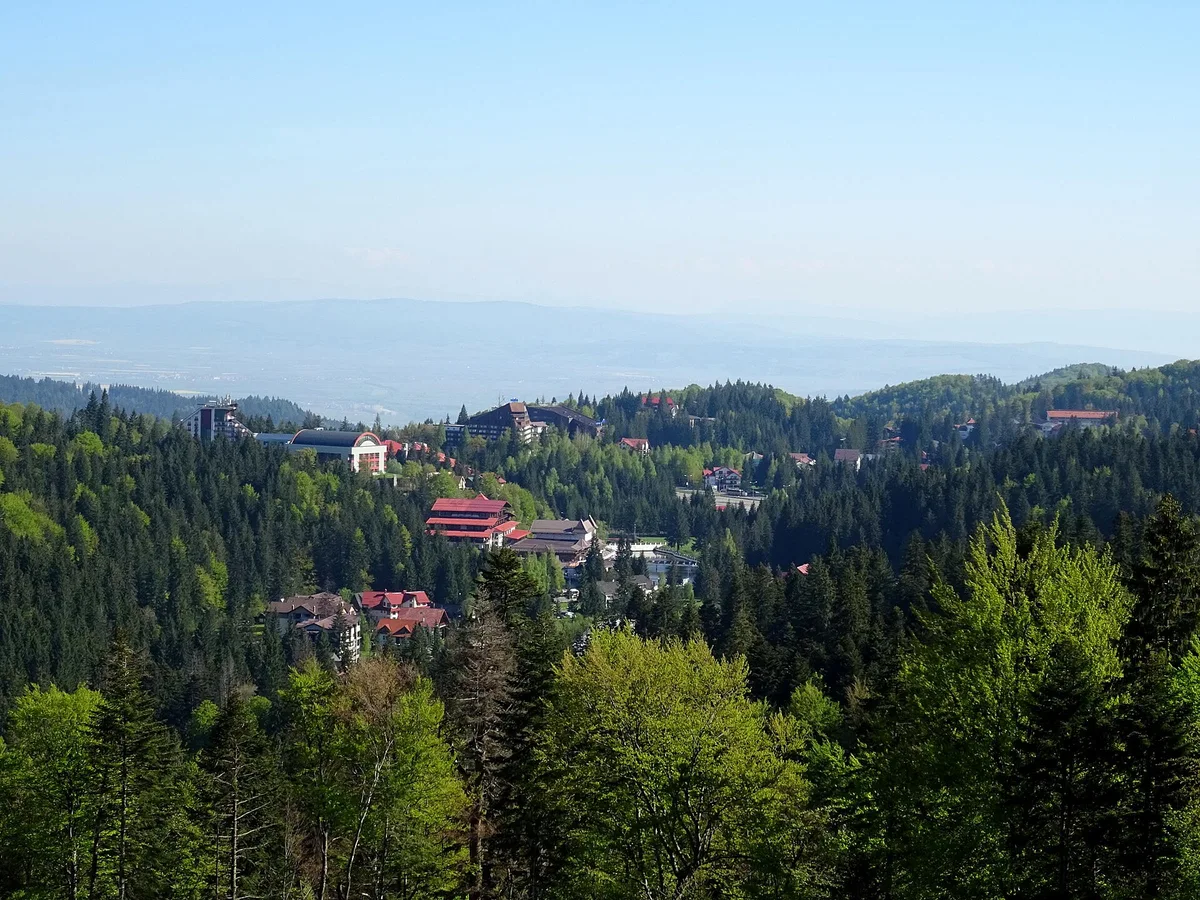
For Bran, allow for parking and the visitor approach as well as the road. For Poiana Brașov, separate the resort arrival from any mountain activity and consider the current public-transport alternative. Those destinations involve different decisions, even when both are described as day trips from the same city.
Before a Sinaia and Peleș outing, check museum access and the full return plan. Do not add several attractions simply because navigation can draw a circuit between them. The day needs time for walking, breaks and the driver's rest. Keeping one main purpose often produces a more flexible journey than a route filled with appointments.
Confirm road-charge and seasonal arrangements
Ask the supplier which road-charge arrangements apply to the vehicle and your dates. If a Romanian electronic vignette is relevant to the roads you plan to use, check the official service and establish what is already included before buying anything. Keep the registration and validity information accurate. An advertisement encountered during trip planning should not be treated as confirmation that another product is needed.
For colder weather, explain the planned destinations to the supplier and check the equipment actually supplied. Review current official requirements and a local forecast before departure. Conditions on a resort approach may differ from those in the city. Avoid treating a vehicle category or a broad statement about winter suitability as a complete answer to the needs of your route.
Do not take the rental onto an unapproved road surface because it appears to shorten the journey. Check the agreement's permitted use and respect closures. A route that is physically possible for a vehicle may still be prohibited or unsuitable. When conditions become uncomfortable, changing the plan is preferable to using a booking deadline as a reason to continue.
Handle a problem without creating a second one
If you find a parking notice or a question about a charge, retain the document and identify the responsible authority or operator. Check that the registration, place and time correspond to your use. Ask the rental supplier about its process where the vehicle owner receives correspondence. Do not ignore a notice merely because the vehicle will soon be returned, and do not assume every message mentioning a fine is legitimate.
For a vehicle problem, use the supplier's verified assistance contact and describe the location and symptoms. Follow the agreed instructions about recovery or repair rather than arranging work without approval. If there is an immediate danger, prioritise safety and the appropriate emergency response. Keep factual records without placing yourself in traffic to obtain photographs.
If traffic or another problem makes a late return likely, notify the supplier promptly and ask for a revised agreement. A message explaining the delay does not automatically extend the rental. Keep the response and avoid attempting to recover the lost time through unsafe driving. The contract and the road situation must both be handled realistically.
End the rental with an organised handover
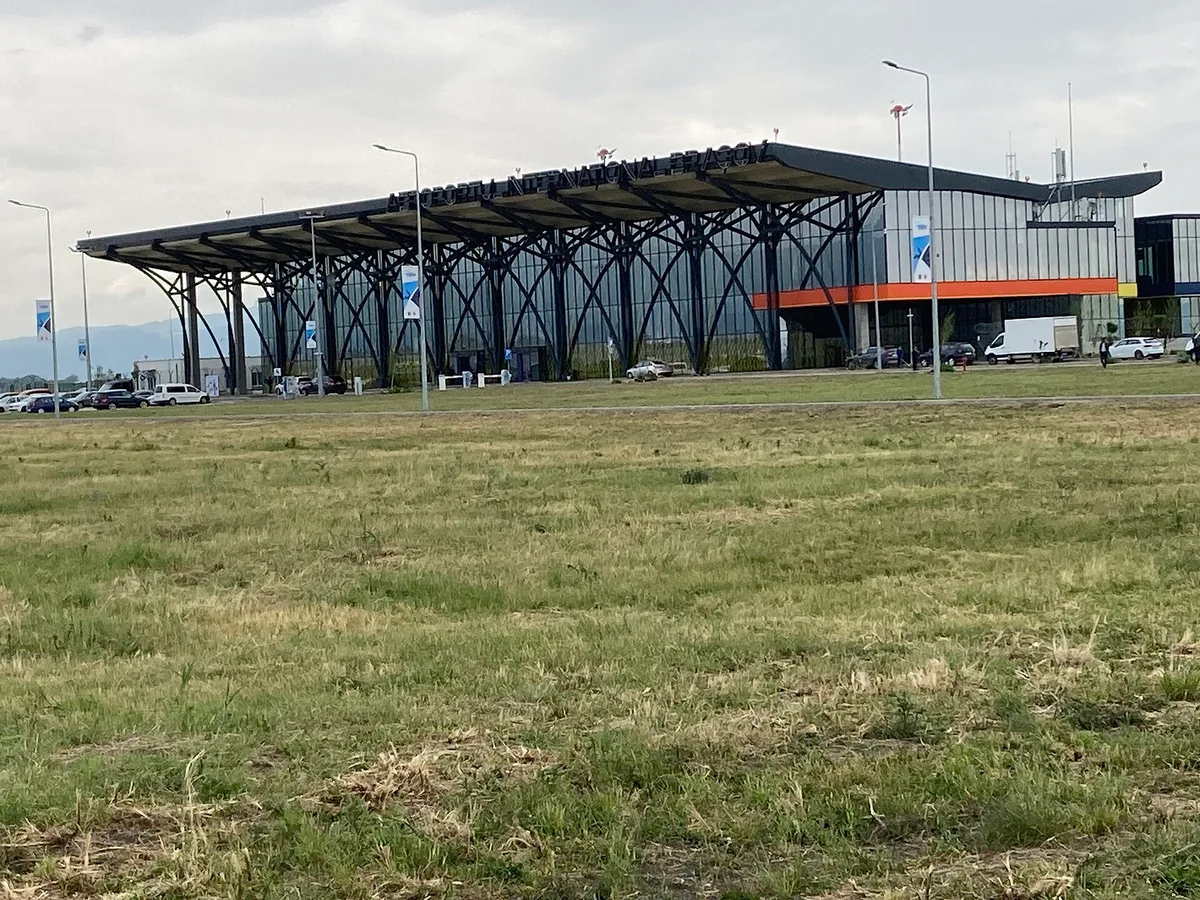
Confirm the exact return point before the final day, particularly if the car will go back at GHV. Work backwards from the flight using the airline's own timing guidance, then add the road journey, fuel arrangements and supplier inspection. The airport rental guide explains why reaching the airport boundary is not the same as completing the return.
Keep the condition and fuel record, any relevant receipt and the supplier's handover confirmation together. Remove your belongings and disconnect personal devices where practical. If parking payment was linked to an app profile, check whether anything needs to be ended or updated after returning the vehicle. A tidy final record is useful when a later question concerns the period during which the car was in your care.
Check the space before leaving for the day
If you plan to leave the vehicle while taking public transport, verify that the parking permission covers the full time away. Keep the exit instructions and payment evidence with you so that an evening return does not depend on finding an attendant or recovering information left inside the car.
For a longer heritage day beyond Brasov, the Sighisoara driving guide compares a return day trip with an overnight stay. Plan where the car remains while you explore the citadel on foot, rather than treating the old town as a drive-through stop.
Questions & answers
How do I use Brașov's official parking map to check a space?
Start with the municipality's official public-parking map, linked from its website as Harta parcărilor publice. Locate your destination and a possible parking area before driving; save the location for the final walk. A map marker is not a reservation or proof that a bay is free or available to visitors: residential or allocated spaces need separate permission. At the actual space, read the sign for the zone, operator, charging hours and restrictions. Match that zone and your rental car's registration to the accepted payment method, and keep the successful confirmation. If the map, app and signs disagree or you cannot establish permission, use another clearly authorised space rather than guessing.
Can I drive to my hotel in the historic centre?
Ask the property for the lawful vehicle entrance and unloading procedure. Its postal address or your room reservation does not automatically establish permission to use every nearby street.
Does an app payment replace the parking signs?
No. Check the zone, restrictions and charging period at the location, then confirm that payment succeeded for the correct registration and duration.
Should I rent for the entire city stay?
Compare the days spent walking in the centre with the days travelling outside Brașov. A shorter rental can be practical when transfers and parking are considered together.